
Process layout
Process Overview
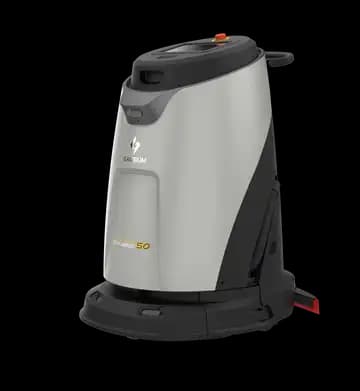
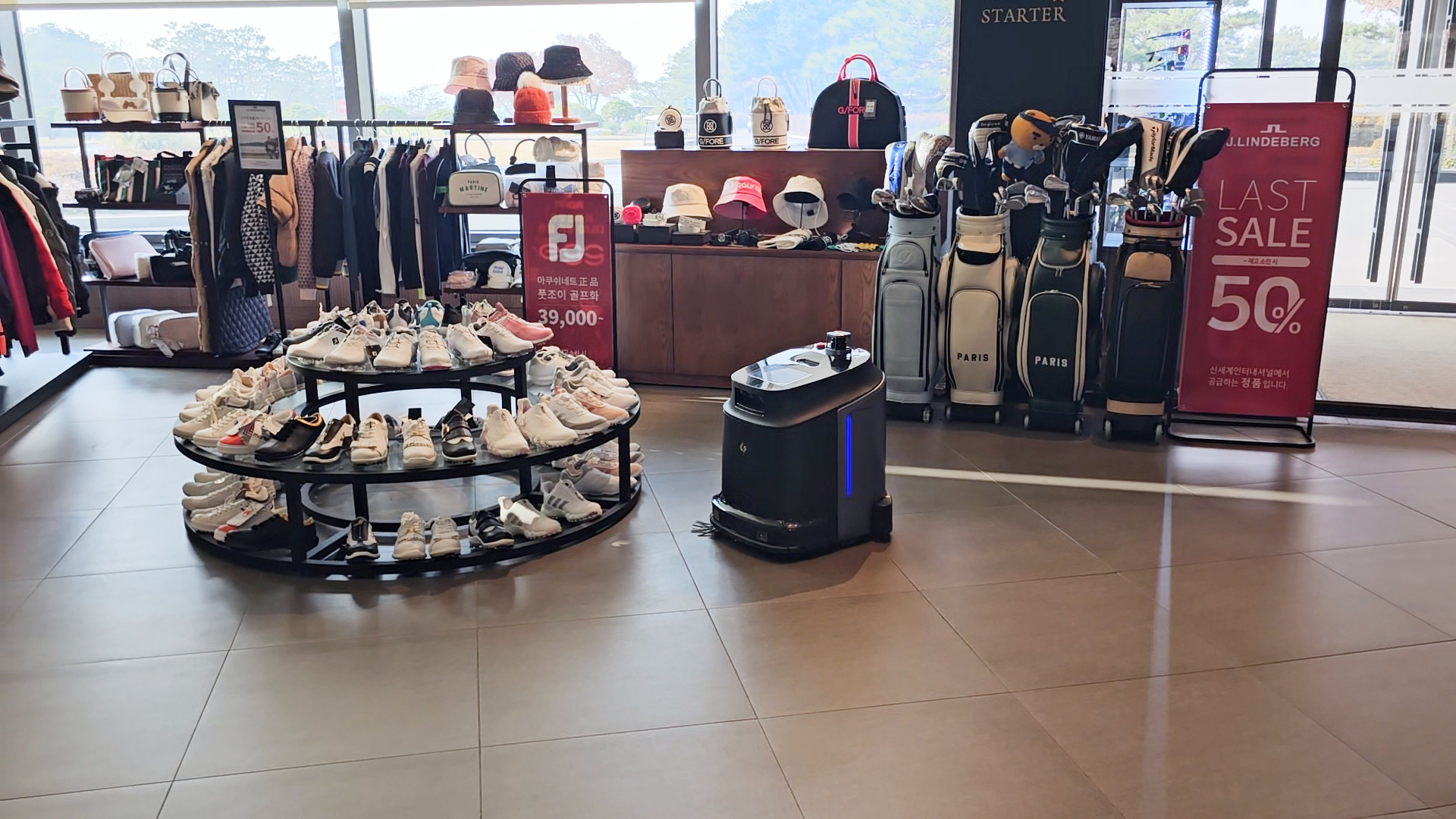
This case study details how Bigwave Robotics (Marosol) installed the Phantas cleaning robot to manage the first and second floors of the Jayu CC Golf Course clubhouse. Using Phantas, they implemented automated beautification management for the first-floor lobby and second-floor carpet cleaning. By incorporating Phantas' superior cleaning performance and convenient charging station, they were able to operate an unmanned, automated system.
Warranty Period
- 1 year
Performance Year
- 2023
Project Duration
- 3 days
Project Background and Objectives
- Unmanned cleaning using autonomous driving, cameras, and sensors
- Cleaning robots that clean at set times
- Increased cleaning efficiency through division of labor with the cleaning staff
- Remote control using SOLlink
Components
| Robot | Gausium cleaning robot Phantas |
|---|
Workflow
| STEP 1. | Select a designated cleaning area. |
|---|---|
| STEP 2. | Set the simple cleaning mode (wet/dry) |
| STEP 3. | Start cleaning |
| STEP 4. | Return to the charging station after completing the task |
| STEP 5. | Set the desired cleaning schedule |
| STEP 6. | Start cleaning |
| STEP 7. | Return to the charging station after completing the task |
Features
Convenience
- Remote control via SOLlink
- Schedule cleaning at your preferred time
- Intuitive performance monitoring using work reports
- Safety features including front and rear cameras and sensors
Excellent cleaning performance
- Close-range cleaning up to 1cm from the wall
- Productivity of up to 700m2 per hour
- Highly versatile for both wet and dry cleaning
- Effective carpet cleaning with two cleaning rollers and one side brush
- Size optimized for corner cleaning
Simplified work processes
- Simple operation using smart obstacle avoidance and pathing
- Easy manual operation, convenient size, and height
- Wireless charging station for automatic charging after cleaning
Superior safety is ensured through front and rear cameras and various sensors, along with safe driving capabilities such as LiDAR sensors, front and rear cameras, and tilt cameras.
A convenient customer experience is provided through SOLlink and dedicated control. A convenient customer experience is enhanced through continuous robot status checks and work reports after cleaning.
Cleaning performance close to walls, smart obstacle avoidance, and path-based cleaning provide superior cleaning results. A user-friendly UI and editing interface allow for easy access to cleaning settings and information checks, and changes.
Results
| Key Benefits | The cleaning quality of the 1st floor lobby (wet cleaning) and the 2nd floor lobby (carpet dry cleaning) when replaced with a robot cleaning approximately 666 sq ft of floor space (check the turbidity of the wastewater after cleaning and the amount of dust in the large dust tray after carpet cleaning) was assessed. Checking the stability of obstacle and human movement recognition and avoidance, and the ability to clean footprints and dust, the main sources of contamination. (Setting a high-touch area, a major source of contamination, allows for up to three cleaning cycles, with an infinite number of cleaning cycles possible.) Automatic charging stations eliminate the need for manual charging, increasing convenience and minimizing waste of human resources. Improving the working environment and reducing worker fatigue, increasing job sustainability and assessing the level of focus on managing restrooms and other cleaning areas requiring human attention. |
|---|---|
| Client Feedback | Robots are cleaning the floors, allowing existing workers to focus on restroom cleaning, resulting in improved restroom cleanliness. The first-floor lobby requires wet cleaning, limiting the use of manual mopping. (This approach, however, requires continuous scrubbing with a dirty mop, multiple rinsings, and re-cleaning, requiring a high level of labor.) The entrance area, a major source of contamination, has been designated as a high-touch area, allowing for up to three repeat cleanings and unlimited repeat cleaning. The cleaning effectiveness was verified based on the turbidity of the wastewater in the wastewater tank. (The floor looked clean, but the wastewater was very turbid.) The Solink app provides detailed cleaning feedback in the form of cleaning reports. The SOLlink app also allows users to plan a schedule timetable based on the cleaning report's contents, such as the area cleaned and the cleaning time. |
Unauthorized copying or reproduction of any content on Marosol may violate the Unfair Competition Prevention Act and Copyright Act.
Recommended Solution

Incheon Airport's Industrial Cleaning Robot Review 😎 The Ultimate Carpet Cleaning Robot Has Arrived!
Process Overview Two cleaning robots in Terminal 1 and six in Terminal 2, operating in each area of Incheon Airport, were verified for operational stability. Based on the verification of operational stability, the goal is to expand the introduction of cleaning robots across all areas of Incheon Airport. Warranty Period 1 Year Performance Year 2024 Project Duration 30 days Project Background and Objectives Inconveniences of existing robots Convenience features such as moving to a maintenance location were not provided, requiring workers to manually drag and dispose of the waste. Convenience was improved by simplifying maintenance procedures, replacing complex cleaning methods. Water supply and drainage scenarios were proposed through the workstation and SOLlink remote control. For the Gausium cleaning robot, automatic charging and scheduled cleaning are possible through an automatic charging station. SOLlink allows users to remotely move the robot to the designated maintenance location, providing convenient management.

The SC50 industrial cleaning robot, which even cleans cutting oil, is the reason why Dio Implant chose the Gausium cleaning robot.👏
Process Overview This is a case study of Bigwave Robotics (Marosol) installing the SC50 cleaning robot for factory cleaning management. Using the SC50, they implemented an in-house automated cleaning system, leveraging its outstanding cleaning performance and scheduling capabilities to operate an unmanned, automated cleaning system. Warranty Period 1 year Performance Year 2023 Project Duration 1 week Project Background and Objectives Real-time cleaning in challenging environments, such as oil and cutting fluids Cleaning schedule planning considering the worker's working hours Unmanned cleaning using autonomous driving, cameras, and sensors Cleaning robots that clean at set times Manual cleaning mode for cleaning only the areas needed Increased cleaning efficiency through division of labor with cleaning personnel Remote control using SOLlink

Confirmation of successful solution upload
Content Summary
Process layout
Process Overview
This case study details how Bigwave Robotics (Marosol) installed the Phantas cleaning robot to manage the first and second floors of the Jayu CC Golf Course clubhouse. Using Phantas, they implemented automated beautification management for the first-floor lobby and second-floor carpet cleaning. By incorporating Phantas' superior cleaning performance and convenient charging station, they were able to operate an unmanned, automated system.
Warranty Period
- 1 year
Performance Year
- 2023
Project Duration
- 3 days
Project Background and Objectives
- Unmanned cleaning using autonomous driving, cameras, and sensors
- Cleaning robots that clean at set times
- Increased cleaning efficiency through division of labor with the cleaning staff
- Remote control using SOLlink
Components
| Robot | Gausium cleaning robot Phantas |
|---|
Workflow
| STEP 1. | Select a designated cleaning area. |
|---|---|
| STEP 2. | Set the simple cleaning mode (wet/dry) |
| STEP 3. | Start cleaning |
| STEP 4. | Return to the charging station after completing the task |
| STEP 5. | Set the desired cleaning schedule |
| STEP 6. | Start cleaning |
| STEP 7. | Return to the charging station after completing the task |
Features
Convenience
- Remote control via SOLlink
- Schedule cleaning at your preferred time
- Intuitive performance monitoring using work reports
- Safety features including front and rear cameras and sensors
Excellent cleaning performance
- Close-range cleaning up to 1cm from the wall
- Productivity of up to 700m2 per hour
- Highly versatile for both wet and dry cleaning
- Effective carpet cleaning with two cleaning rollers and one side brush
- Size optimized for corner cleaning
Simplified work processes
- Simple operation using smart obstacle avoidance and pathing
- Easy manual operation, convenient size, and height
- Wireless charging station for automatic charging after cleaning
Superior safety is ensured through front and rear cameras and various sensors, along with safe driving capabilities such as LiDAR sensors, front and rear cameras, and tilt cameras.
A convenient customer experience is provided through SOLlink and dedicated control. A convenient customer experience is enhanced through continuous robot status checks and work reports after cleaning.
Cleaning performance close to walls, smart obstacle avoidance, and path-based cleaning provide superior cleaning results. A user-friendly UI and editing interface allow for easy access to cleaning settings and information checks, and changes.
Results
| Key Benefits | The cleaning quality of the 1st floor lobby (wet cleaning) and the 2nd floor lobby (carpet dry cleaning) when replaced with a robot cleaning approximately 666 sq ft of floor space (check the turbidity of the wastewater after cleaning and the amount of dust in the large dust tray after carpet cleaning) was assessed. Checking the stability of obstacle and human movement recognition and avoidance, and the ability to clean footprints and dust, the main sources of contamination. (Setting a high-touch area, a major source of contamination, allows for up to three cleaning cycles, with an infinite number of cleaning cycles possible.) Automatic charging stations eliminate the need for manual charging, increasing convenience and minimizing waste of human resources. Improving the working environment and reducing worker fatigue, increasing job sustainability and assessing the level of focus on managing restrooms and other cleaning areas requiring human attention. |
|---|---|
| Client Feedback | Robots are cleaning the floors, allowing existing workers to focus on restroom cleaning, resulting in improved restroom cleanliness. The first-floor lobby requires wet cleaning, limiting the use of manual mopping. (This approach, however, requires continuous scrubbing with a dirty mop, multiple rinsings, and re-cleaning, requiring a high level of labor.) The entrance area, a major source of contamination, has been designated as a high-touch area, allowing for up to three repeat cleanings and unlimited repeat cleaning. The cleaning effectiveness was verified based on the turbidity of the wastewater in the wastewater tank. (The floor looked clean, but the wastewater was very turbid.) The Solink app provides detailed cleaning feedback in the form of cleaning reports. The SOLlink app also allows users to plan a schedule timetable based on the cleaning report's contents, such as the area cleaned and the cleaning time. |
Unauthorized copying or reproduction of any content on Marosol may violate the Unfair Competition Prevention Act and Copyright Act.
Recommended Solution
Incheon Airport's Industrial Cleaning Robot Review 😎 The Ultimate Carpet Cleaning Robot Has Arrived!
Process Overview Two cleaning robots in Terminal 1 and six in Terminal 2, operating in each area of Incheon Airport, were verified for operational stability. Based on the verification of operational stability, the goal is to expand the introduction of cleaning robots across all areas of Incheon Airport. Warranty Period 1 Year Performance Year 2024 Project Duration 30 days Project Background and Objectives Inconveniences of existing robots Convenience features such as moving to a maintenance location were not provided, requiring workers to manually drag and dispose of the waste. Convenience was improved by simplifying maintenance procedures, replacing complex cleaning methods. Water supply and drainage scenarios were proposed through the workstation and SOLlink remote control. For the Gausium cleaning robot, automatic charging and scheduled cleaning are possible through an automatic charging station. SOLlink allows users to remotely move the robot to the designated maintenance location, providing convenient management.
The SC50 industrial cleaning robot, which even cleans cutting oil, is the reason why Dio Implant chose the Gausium cleaning robot.👏
Process Overview This is a case study of Bigwave Robotics (Marosol) installing the SC50 cleaning robot for factory cleaning management. Using the SC50, they implemented an in-house automated cleaning system, leveraging its outstanding cleaning performance and scheduling capabilities to operate an unmanned, automated cleaning system. Warranty Period 1 year Performance Year 2023 Project Duration 1 week Project Background and Objectives Real-time cleaning in challenging environments, such as oil and cutting fluids Cleaning schedule planning considering the worker's working hours Unmanned cleaning using autonomous driving, cameras, and sensors Cleaning robots that clean at set times Manual cleaning mode for cleaning only the areas needed Increased cleaning efficiency through division of labor with cleaning personnel Remote control using SOLlink
Confirmation of successful solution upload
Content Summary