


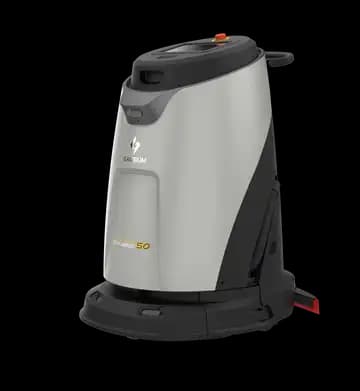

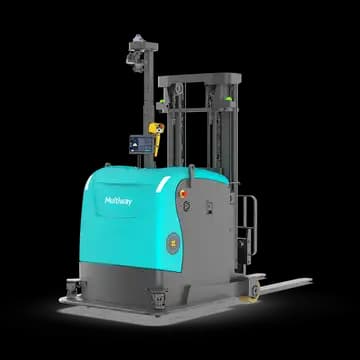
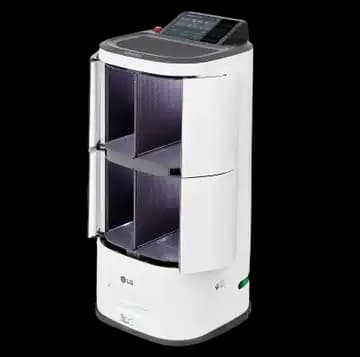

Curious about the robots deployed?
Process Overview
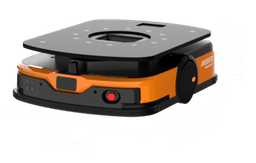
A famous Japanese fashion company Large-scale warehouses of over 11,000 m² introduced HIK robot solutions to optimize the clothing Logistics process. **181 AMR(Autonomous Mobile Robots)** and 26 workstations The Shelf-to-Person (STP) system, which combines these elements, transforms warehouses into smart Logistics centers and provides productivity that aligns with the latest trends in the apparel industry.
Project Background and Purpose
background
In the fashion Industry, Logistics efficiency has become a core competitive advantage due to rapid seasonal product turnover and complex order management. The existing manual Logistics system was unable to respond quickly to increasing order volumes and customer demands.
purpose
Implementation of smart Logistics Center Significantly improved the efficiency of clothing Logistics operations by automating an 11,000m² warehouse.
Production process optimization Adapting to changes in clothing trends through fast turnover and accurate order processing.
Increase worker productivity Entrust simple, repetitive tasks to robots and allow workers to focus on high-value tasks.
Components
| Robot | AMR Logistics (181 units): Improves order processing speed through shelf movement and collaboration with workers. Maximizes space utilization to streamline inventory management within the warehouse. |
|---|---|
| Peripherals | Workstations (26): Robots transport required items along with their shelves to workers, supporting fast and accurate order processing. Shelf-to-Person (STP) System: Minimizes wasted time by delivering items directly from the shelves to the workers. Warehouse Management System (WMS): Monitors Logistics flow in real-time and coordinates robots and workstations to optimize operations. |
Workflow
| STEP 1. | Order Received: The WMS analyzes customer order data and transmits work instructions to the robot. |
|---|---|
| STEP 2. | Robot Deployment: The AMR robot selects the required items from the shelves in the warehouse and transports them to the workstation. |
| STEP 3. | Worker Processing: The worker checks and packages the items at the workstation. |
| STEP 4. | Ready for Shipment: The finally packaged items are moved to the outbound area. |
※ The content provided by Bigwave Robotics is protected under U.S. and Canadian copyright and intellectual property laws. Unauthorized reproduction, distribution, or use of this content is strictly prohibited.
Recommended Use Cases

AMR logistics robots introduced to manufacturing factory ✨ Logistics automation that quickly resolves even 1 ton of waste drbris (2 KUKA KMP 1500P logistics robots)
Process Overview This case study demonstrates the installation of a KUKA KMP 1500P logistics robot at Bigwave Robotics (Marosol) to transport rollers and scrap debris within the space manufacturing facility. The KMP 1500P autonomously handles up to 1 ton of scrap debris over a 1.2 km distance and automatically transports heavy-duty roller modules weighing up to 1 ton. Furthermore, sensors embedded in the KMP 1500P enabled the development of an unmanned system capable of safely transporting heavy-duty materials. Project Background and Purpose Automated unmanned transport using autonomous robots Robots perform simple, repetitive tasks Safe operation of heavy-duty products using various sensors Remote control and monitoring using SOLlink
Yaskawa Industrial Robots + Automatic Foam Placement — Hankook & Company Battery Palletizing Automation Case 🔋🤖
Process Overview Hankook & Company's palletizing solution prioritizes higher output and reduced labor requirements. After removing the existing line that was built around a single palletizer, the operation was split into two lines and reconfigured with two palletizers to secure production capacity (CAPA). In addition, manual placement of styrofoam and slip sheets was automated to reduce operator intervention—enabling one operator to manage both lines. Project Background and Objectives Background The previous workflow had an imbalance between line production capacity (CAPA) and palletizing capacity (CAPA), requiring operators to manually support styrofoam and slip-sheet placement to maintain output. This structure forced continuous loading of slip sheets (approx. 7 kg each), causing significant operator fatigue. Also, the line had to wait until manual slip-sheet loading was completed, leading to large fluctuations in the logistics cycle time. Key issues Palletizing quality instability and speed loss caused by manual operations Reduced productivity, increased operator fatigue, and skilled-labor dependency issues Objectives Improve production efficiency by minimizing repetitive manual tasks through upgraded robot automation Ensure quality consistency by reducing manual intervention Improve the work environment by reducing operator fatigue and strengthening safety

Heavy logistics automation success! Omron AMR automatically returns lead tabs 📦🤖
Process Overview This case study demonstrates the automation of heavy-duty product transport using Omron AMR logistics robots . The client implemented a logistics automation system to reduce inefficiencies and labor burdens associated with repetitive, heavy logistics tasks. Specifically, they sought to reduce costs and maximize logistics efficiency through automated palletizing and return operations. This solution automates simple, repetitive tasks like product movement and loading, thereby increasing the efficiency and accuracy of the shipping process and reducing worker burden, thereby enhancing safety and productivity. Project Background and Objectives The client recognized the need for automation in heavy cart transport and lead tab return operations and sought to improve logistics operational efficiency and reduce operating costs by introducing AMRs. This project aimed to: Automating lead tab return and cart transport Improving worker productivity and ensuring safety Enhancing efficiency and flexibility in the logistics field
Process Overview
A famous Japanese fashion company Large-scale warehouses of over 11,000 m² introduced HIK robot solutions to optimize the clothing Logistics process. **181 AMR(Autonomous Mobile Robots)** and 26 workstations The Shelf-to-Person (STP) system, which combines these elements, transforms warehouses into smart Logistics centers and provides productivity that aligns with the latest trends in the apparel industry.
Project Background and Purpose
background
In the fashion Industry, Logistics efficiency has become a core competitive advantage due to rapid seasonal product turnover and complex order management. The existing manual Logistics system was unable to respond quickly to increasing order volumes and customer demands.
purpose
Implementation of smart Logistics Center Significantly improved the efficiency of clothing Logistics operations by automating an 11,000m² warehouse.
Production process optimization Adapting to changes in clothing trends through fast turnover and accurate order processing.
Increase worker productivity Entrust simple, repetitive tasks to robots and allow workers to focus on high-value tasks.
Components
| Robot | AMR Logistics (181 units): Improves order processing speed through shelf movement and collaboration with workers. Maximizes space utilization to streamline inventory management within the warehouse. |
|---|---|
| Peripherals | Workstations (26): Robots transport required items along with their shelves to workers, supporting fast and accurate order processing. Shelf-to-Person (STP) System: Minimizes wasted time by delivering items directly from the shelves to the workers. Warehouse Management System (WMS): Monitors Logistics flow in real-time and coordinates robots and workstations to optimize operations. |
Workflow
| STEP 1. | Order Received: The WMS analyzes customer order data and transmits work instructions to the robot. |
|---|---|
| STEP 2. | Robot Deployment: The AMR robot selects the required items from the shelves in the warehouse and transports them to the workstation. |
| STEP 3. | Worker Processing: The worker checks and packages the items at the workstation. |
| STEP 4. | Ready for Shipment: The finally packaged items are moved to the outbound area. |
※ The content provided by Bigwave Robotics is protected under U.S. and Canadian copyright and intellectual property laws. Unauthorized reproduction, distribution, or use of this content is strictly prohibited.
Curious about the robots deployed?
Related Use Cases
AMR logistics robots introduced to manufacturing factory ✨ Logistics automation that quickly resolves even 1 ton of waste drbris (2 KUKA KMP 1500P logistics robots)
Yaskawa Industrial Robots + Automatic Foam Placement — Hankook & Company Battery Palletizing Automation Case 🔋🤖